Embracing Sustainability and Style: The Rise of Reclaimed Wood in Carpentry Projects
In recent years, there has been a notable shift towards sustainable and eco-friendly practices in the realm of interior design and carpentry. One trend that has gained significant traction is the use of reclaimed or salvaged wood in various carpentry projects. From kitchen remodeling to whole-house renovations, homeowners and designers alike are increasingly turning to reclaimed wood for its environmental benefits, unique aesthetic appeal, and inherent character.
Environmental Benefits
One of the primary reasons for the growing popularity of reclaimed wood is its positive environmental impact. By repurposing wood from old buildings, barns, and other structures, the demand for new timber is reduced, thereby helping to conserve forests and natural resources. Additionally, using reclaimed wood helps to divert materials from landfills, contributing to waste reduction and promoting a more sustainable approach to construction and design.
Unique Aesthetic Appeal
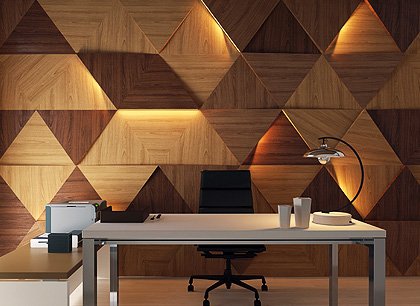
Beyond its environmental benefits, reclaimed wood offers a distinct and timeless aesthetic that adds warmth, character, and charm to any space. Each piece of reclaimed wood carries its own history and story, bearing the marks of its previous life in the form of knots, nail holes, weathering, and patina. These imperfections impart a sense of authenticity and rustic beauty that cannot be replicated with new wood.
Challenges of Working with Reclaimed Materials
While reclaimed wood offers numerous advantages, it also presents its own set of challenges. Due to its previous use and exposure to the elements, reclaimed wood may be uneven, warped, or damaged, requiring careful assessment and preparation before use. Additionally, sourcing high-quality reclaimed wood can be a time-consuming and labor-intensive process, as it often involves locating and dismantling old structures.
Inspiring Examples
Despite these challenges, the results of working with reclaimed wood can be truly breathtaking. In kitchen remodeling projects, reclaimed wood is often used to create bespoke cabinetry, kitchen islands, and countertops, infusing the space with rustic elegance and character. Pairing reclaimed wood with modern fixtures and appliances creates a striking contrast that elevates the overall design.
In bathroom remodeling, reclaimed wood can be used to craft luxurious vanities, mirrors, and accent walls, transforming the space into a spa-like sanctuary. Imagine soaking in a stylish bathtub surrounded by reclaimed wood paneling, creating a serene and relaxing atmosphere.
In basement finishing projects, reclaimed wood can be utilized to maximize living space and create functional basement living areas. From custom carpentry to energy-efficient upgrades, reclaimed wood adds warmth and personality to basement spaces, turning them into inviting retreats for family and guests.
Conclusion
In conclusion, the use of reclaimed wood in carpentry projects offers a winning combination of environmental sustainability, unique aesthetic appeal, and timeless beauty. Whether used in kitchen remodeling, bathroom renovations, or whole-house transformations, reclaimed wood adds character, charm, and a sense of history to any space. With its growing popularity and widespread availability, reclaimed wood is sure to remain a staple in interior design for years to come.
At Illinois carpentry and Construction Company, we specialize in creating stunning carpentry projects using reclaimed wood. From kitchen and bathroom remodeling to whole-house renovations, our team of skilled craftsmen combines design expertise with quality craftsmanship to bring your vision to life. Contact us today to learn more about how we can incorporate reclaimed wood into your next project and experience the beauty and sustainability it has to offer.